

Hygiene at School
Improve school hygiene: Why the soap dispenser matters
School hygiene is a topic that is busy with many school management every day and at the same time often underestimated. A current study by the German Toilet Organization in cooperation with the University of Bonn clearly shows how great the need for action actually is. The majority of students negatively evaluate their school toilets, many even avoid their use completely. The main reasons are dirt, unpleasant smells, vandalism and, above all, missing or non-functioning equipment such as soap or toilet paper. For schools, this means not only a hygiene problem, but also increasing costs through maintenance, repairs and inefficient systems.
Why Liquid Soap Dispensers Are Expensive and Inefficient
A key factor in school hygiene is choosing the right soap system. Many schools continue to rely on classic liquid soap dispensers, which at first glance seem practical, but incur high running costs in everyday life. In particular, the plastic cartridges required regularly are expensive and increase the procurement and storage costs. At the same time, the practice – and also the study – shows that soap is often missing or donors don’t work. This is exactly where a double problem arises: the hygiene is not implemented and at the same time the costs increase.
Sapor: The Economic Alternative with Solid Soap
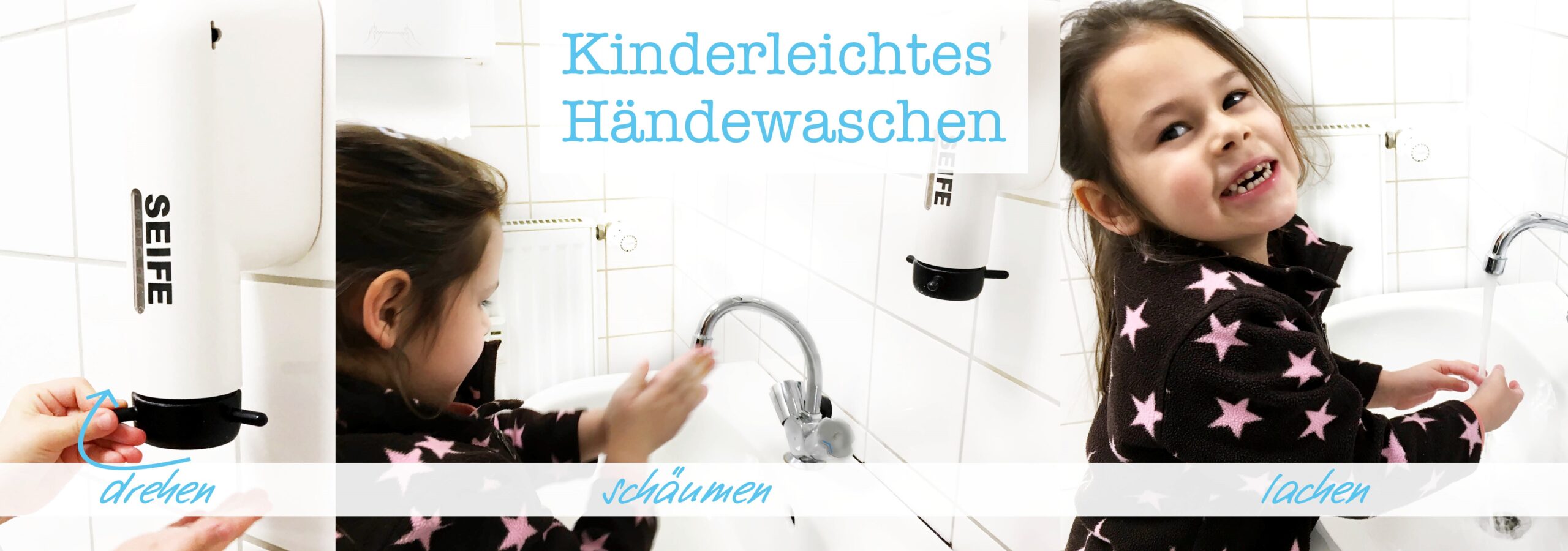
A much more economical solution is soap dispensers with solid soap, as developed and used by Sapor for decades. The principle is simple and efficient: the solid soap is processed into fine flakes in the dispenser and dispensed in portions. This results in controlled, hygienic use without direct contact of the soap and without standing liquid. Especially in everyday school life, this system ensures a reliable and low-maintenance application.
The biggest advantage is the cost. A piece of solid soap replaces up to a liter of liquid soap and allows several hundred handwashes. As a result, the refill intervals are significantly extended, while at the same time the cost-intensive plastic cartridges are completely eliminated. Schools benefit from lower material costs, less ordering effort and overall more efficient management of their washrooms. In a direct comparison, it is clear: Sapor is cheaper than classic liquid soap systems.
Less maintenance and more reliability
In addition to the material costs, maintenance also plays a decisive role. Sapor dispenser systems are constructed mechanically and deliberately robust and extremely durable. As a result, they are less susceptible to defects and function reliably even under heavy use. Less failures mean fewer repairs, fewer complaints and a more stable daily supply. Especially in schools where many users access the systems, this reliability is a decisive advantage.
A look into practice confirms this: In the city of Hamburg, comparable systems have been successfully used in schools and day-care centers for over 40 years. This long-term use impressively shows that the investment not only pays off in the short term, but above all in the long term.
Availability is crucial
Another central point is the actual use by the students. The study clearly shows that the lack of equipment – especially soap – is a main reason why toilets are avoided. A system that is rarely empty and works reliably therefore immediately improves hygiene in everyday school life. This is exactly where a significant advantage of Sapor lies: Due to the high yield of the solid soap and the easy handling, the availability is significantly higher than with liquid soap.
Solid soap – the hygienic choice
A common objection to solid soap concerns hygiene. However, modern donor systems completely solve this issue. The soap is processed inside the dispenser and is only given out in fresh portions. There is no open surface of soap, no residues and no standing liquid in which germs could multiply. This creates a clean and controlled application that works reliably in everyday school life.
Optimizing the school in the washroom economically with Sapor
Overall, it shows that school hygiene is not only improved by more cleaning, but above all by choosing the right system. Liquid soap dispensers incur permanently high costs and are often unreliable in everyday life. With solid soap systems, Sapor offers a simple, robust and significantly cheaper alternative that has proven itself for decades.
For schools and day-care centers, this means in concrete terms: lower operating costs, less maintenance and a significantly more stable supply of the washrooms. If you want to improve your school hygiene and at the same time reduce costs, you should critically question existing solutions. Sapor shows that efficiency, reliability and economy can be combined in a meaningful way – and that is exactly what is decisive for a functioning everyday school life.